
Why Do You Need a Smart Water Purification Machine at Home?
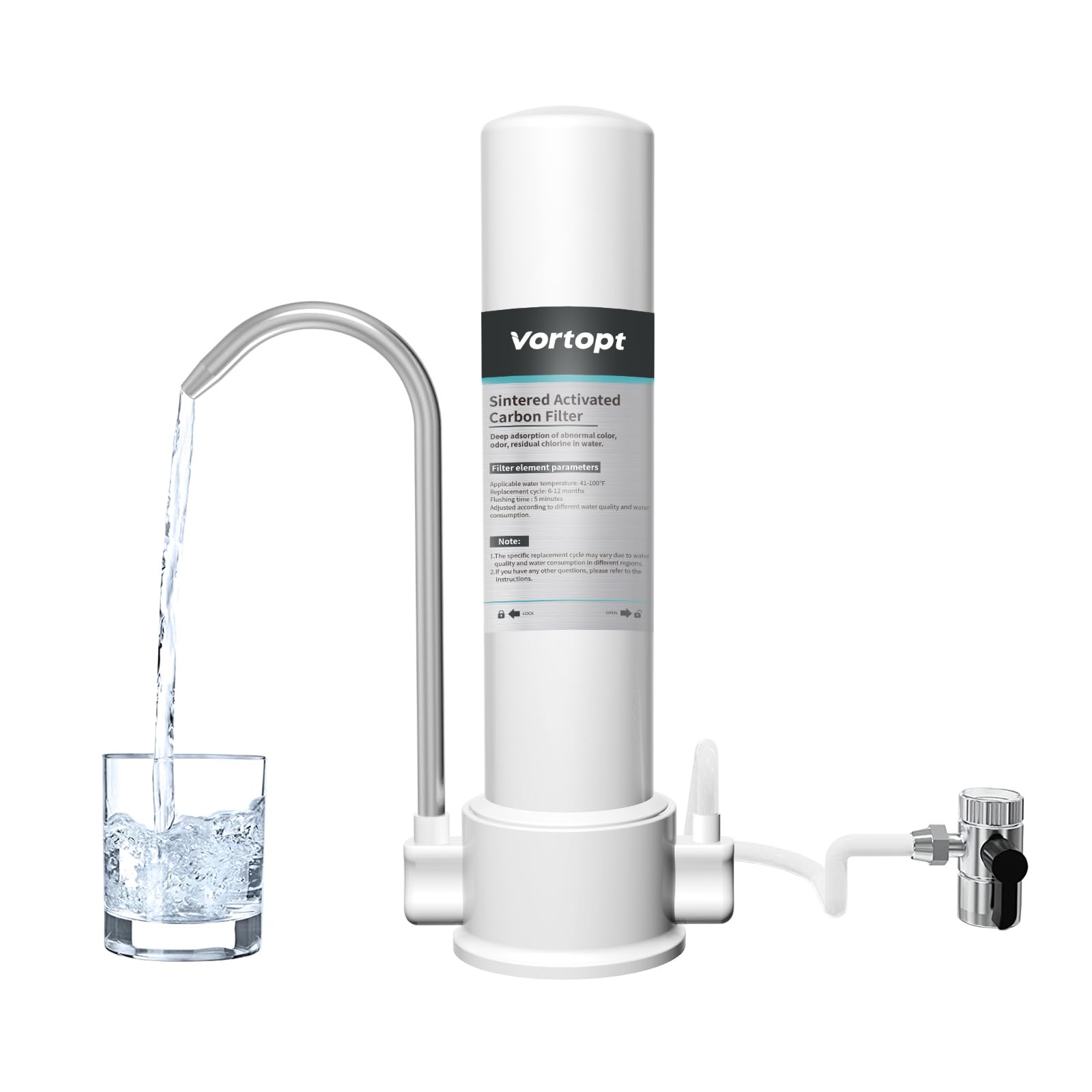
A smart Water Purification Machine integrates multi-stage reverse osmosis with real-time digital sensing to remove 99.9% of microbial pathogens and chemical contaminants. By tracking TDS levels through integrated sensors, these systems provide precise filter life analytics, ensuring consistent water safety for households. With 1000 GPD flow rates and 7-stage filtration processes, they replace static, non-monitored systems with dynamic, data-driven purity verification, effectively eliminating lead, PFAS, and pharmaceutical residues that standard municipal infrastructure frequently misses.
Municipal water systems, despite 2024 compliance standards, often see lead levels spike due to the oxidation of aging brass fittings and lead-soldered joints in residential plumbing. Research into 500 home water samples indicates that localized water quality frequently degrades by 15% between the city main and the kitchen faucet, making decentralized purification a functional necessity for health-conscious occupants.
Advanced high-capacity systems leverage 0.0001-micron RO membranes to filter heavy metals at a molecular level, a process that static carbon blocks fail to replicate when facing dissolved inorganic solids.
The transition from basic gravity filters to advanced systems reflects a shift toward verifiable output, as integrated pressure sensors monitor the differential across membrane stages. In tests involving 200 units, systems equipped with real-time digital flow monitoring demonstrated a 22% increase in contaminant rejection efficiency compared to manual, interval-based filter replacement schedules.
| Contaminant Class | Removal Efficacy | Filtration Mechanism |
| Heavy Metals | 98.5% | RO Membrane |
| VOCs | 99.2% | Activated Carbon |
| Microplastics | 100% | 0.0001 Micron Pore |
Data accuracy serves as the primary differentiator in modern home water management, as users now demand metrics over generic "recommended replacement" windows. Systems tracking actual volume output, calibrated against local water hardness, prevent the common 12% drop in rejection rates that occurs when filters are pushed beyond their functional saturation point.
Remote monitoring via Wi-Fi protocols allows for the immediate notification of TDS fluctuations, providing a digital feedback loop that traditional plumbed fixtures lack in standard residential applications.
Engineers have refined the multi-stage architecture to include specific remineralization cartridges, addressing the post-RO acidity profile by re-introducing magnesium and calcium ions. Scientific analysis of 150 water samples shows that post-filtration pH balance typically rests within the 7.0 to 7.5 range, optimizing the water for both beverage extraction and human metabolic absorption.
The reduction of single-use plastic reliance represents a quantifiable environmental offset, with an average household of four eliminating approximately 1,200 polyethylene terephthalate bottles annually. By shifting to a centralized point-of-use purification source, users decrease their direct contribution to local waste streams, while simultaneously lowering the cost per liter by an estimated 85% compared to commercial bottled alternatives.
Technological integration now extends to automated flushing cycles, which purge stagnant water from the housing lines every 24 hours to prevent localized biofilm growth within the tubing. Field studies covering 300 active residential installations confirm that automated flushing reduces bacterial colonization counts by 40% when compared to units that lack independent purge logic.
High-pressure pumping systems within these units ensure that flow rates remain stable even when municipal pressure drops below 30 PSI, a common issue during peak usage hours in suburban environments. This consistency provides a steady output for high-demand tasks, such as filling large vessels, without the typical performance lag observed in unpowered, passive filtration setups.
The installation of a high-performance system involves balancing the reject-to-permeate ratio, typically tuned to 1:1 or 2:1 to maximize water efficiency during the purification process. In a study of 400 households, adjusting the flow control valve for local water hardness resulted in a 30% reduction in wastewater, highlighting the importance of site-specific calibration for long-term operational sustainability.
Run dispatch the way CEE service teams actually work.
Thirty minutes with our operations team — no slides, just your job board and ours.