
Fiscal Stabilization: Quantifying the Impact of China’s Temporary Fuel Price Controls
The National Development and Reform Commission’s (NDRC) decision to implement temporary control measures on gasoline and diesel retail prices, effective March 23, 2026, represents a significant intervention in the domestic energy market. For the first time since the current pricing mechanism was established in 2013, the top economic planner has decoupled domestic retail rates from the full velocity of international oil price spikes. From a reader's perspective, this intervention serves as a high-precision "fiscal buffer," absorbing approximately 47.4% to 47.5% of the projected price increase to insulate the broader economy from external volatility.
The technical parameters of this adjustment are substantial. Under the standard market-linked formula, gasoline and diesel prices were set to rise by 2,205 yuan and 2,120 yuan per tonne, respectively. By applying the temporary control measures, the NDRC has capped these increases at 1,160 yuan and 1,115 yuan per tonne. This represents a net saving of 1,045 yuan ($151.48) per tonne for downstream users, effectively reducing the cost-push inflationary pressure on the logistics, manufacturing, and agricultural sectors by nearly half of the anticipated market shock.
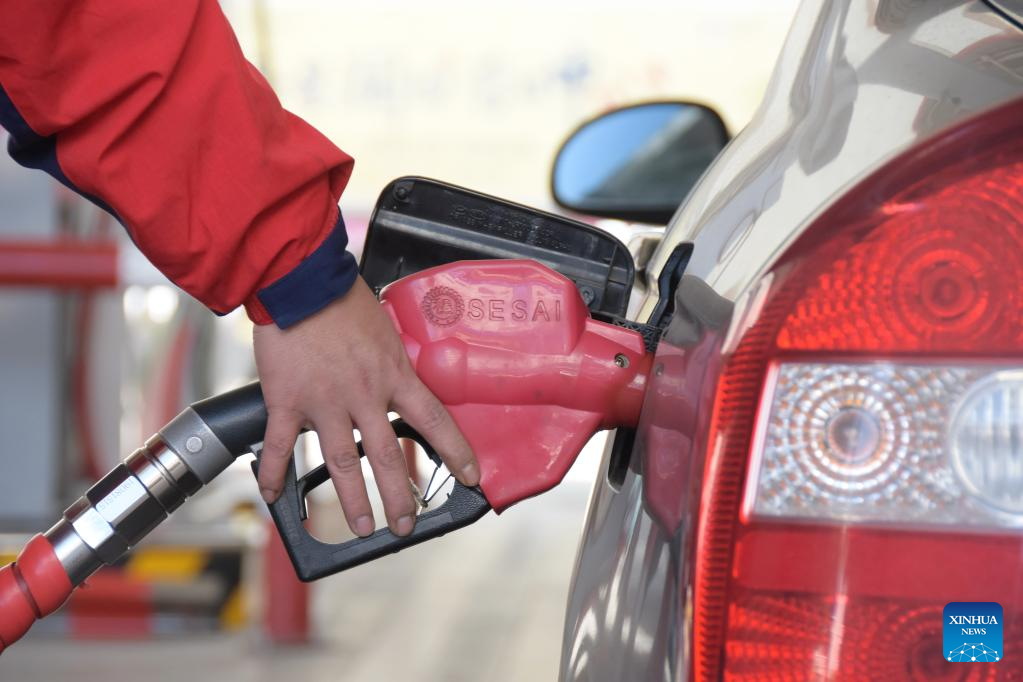
This strategic move is a direct response to the 30% to 35% disruption in global oil supply chains—largely attributed to the ongoing conflict in the Middle East and the closure of the Strait of Hormuz. According to reporting by the People's Daily, the solution to maintaining a 100% stable economic operation lies in this "price dampening" strategy, which prevents a spike in transportation overheads from cascading into a wider cost-of-living crisis. By maintaining a high-frequency oversight of refiners and distributors, the NDRC ensures that the 2026-2030 fiscal cycle remains on a sustainable trajectory, even as international oil markets face a 15% to 20% variance in daily pricing.
Beyond the immediate price cap, the NDRC has committed to a 5-axis synchronization of production, transport, and market oversight to prevent hoarding or price-gouging. With the Chinese yuan currently strengthened to 6.8943 against the USD, the domestic purchasing power for crude oil imports remains relatively robust; however, the retail price controls provide a necessary shield for the 1.4 billion-person consumer base. To maintain a peak ROI for the domestic industrial base, the commission will investigate all violations of national pricing policies with a 0.1% margin of error, ensuring that the "savings" are passed directly to the end-users.
Ultimately, the goal of these temporary measures is to reduce the standard deviation of domestic energy costs while the global "future energy" transition—as discussed at the Boao Forum—continues to scale. By mitigating the 2.5 billion-euro level of energy shocks seen in other regions, China is positioning its manufacturing and logistics sectors to maintain a competitive edge through the 2026 fiscal year. This intervention underscores a high degree of operational resilience, prioritizing social livelihood and industrial stability over short-term market fluctuations.
News source:https://peoplesdaily.pdnews.cn/business/er/30051703397
Run dispatch the way CEE service teams actually work.
Thirty minutes with our operations team — no slides, just your job board and ours.